- Thoughts and habits
- Warm problem solving
- Goal focused
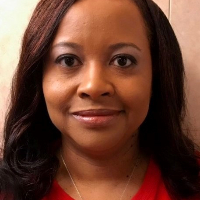
About Shawna
Shawna draws on about 10 years of clinical experience and a background in social work. Early in her career she worked at a Department of Social Services as a child protective services investigator. That work shaped how she assesses risk, listens for safety concerns, and helps people find realistic next steps.
In sessions she starts by meeting people where they are and finding clear goals together. She uses a mix of approaches so the work fits each person. That can mean talking through thought patterns, practicing focused skills, or looking at how past experiences shape current choices.
Shawna often uses cognitive behavioral techniques to address unhelpful thoughts and behaviors. She also includes client-centered and mindfulness methods to build self-awareness and steady coping. Motivational interviewing is part of how she supports people who want change but feel stuck.
She has supported people with depression, bipolar conditions, ADHD, trauma, grief, addictions, parenting stress, and other concerns. Shawna encourages practical changes that improve day-to-day life and supports clients as they try new ways of handling old problems.
Areas of expertise
Primary focus
Also works with
Additional focus areas
Therapeutic approaches
Experience
10+ years
Credentials
Virginia
Languages
English
Approaches that shape online care
Shawna often draws on cognitive behavioral therapy to help people notice and change unhelpful thought patterns and everyday habits. CBT sessions tend to focus on specific problems and give concrete strategies to try between meetings, which can be useful for anxiety, low mood, and ADHD-related struggles.She also uses client-centered therapy, which emphasizes listening closely and letting the person's goals guide the work. That approach supports people who need a steady, respectful space to talk through life changes and relationship stress. Mindfulness therapy is another tool she uses to build attention and calm in daily life, helping with stress and emotion regulation.
Finding the right approach is part of the work. Shawna will collaborate with each person to choose methods that match their goals and preferences. That might mean combining CBT skills, motivational interviewing prompts, and reflective client-centered conversations as needed.
The biography does not list specific online session formats, so confirm current options before booking. In general, online therapy can make it easier to fit sessions into a busy schedule, shorten travel time, allow a quick check-in during a work break, or avoid needing to be on camera every time. Licensed professionals can adapt exercises and homework to remote sessions so the work remains practical and goal focused.
Frequently asked questions
What kinds of concerns does Shawna help with?
She works with a wide range of issues including stress, anxiety, depression, trauma and abuse, relationship and family problems, grief, addictions, parenting strain, ADHD, bipolar concerns, and self-esteem.
How would you describe her therapeutic style?
Her style is welcoming and engaging. She meets people where they are and uses practical techniques to set clear, achievable goals.
What is Shawna's professional background?
She has about 10 years of clinical experience and began her work in child protective services before moving into clinical social work practice.
What credentials and location are listed for her?
She holds the LCSW credential as a Virginia LCSW and practices from Virginia.
Which languages are supported and can international clients work with her?
Sessions are offered in English, and she does accept international clients.
What session formats are available?
The original biography does not specify session formats. Please confirm current session options before booking.
How does payment and cost work?
Cost varies with location and therapist availability, and sessions use a subscription model that can be canceled at any time.
How do I begin working with Shawna?
Click the Start Therapy button, complete a short matching questionnaire, and then schedule according to therapist availability.