- Goal focused
- Thoughts and habits
- Practical tools
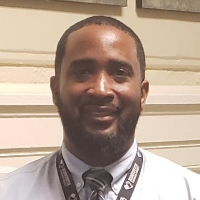
About Sherron
He uses a mix of approaches to match each person's needs. Sessions emphasize clear goals and everyday skills. Sherron draws on client-centered methods to follow what matters most to the person. He also uses cognitive behavioral strategies to change unhelpful thinking and behavior patterns.
Over eight years of practice have shaped his style into something direct and steady. He values small, measurable changes that add up over time. Motivational interviewing is part of how he supports people who feel stuck or unsure about change.
Sherron pays attention to how thoughts and everyday habits affect mood and relationships. He teaches coping tools that can be practiced between sessions. Mindfulness techniques are used to help people become more aware of their reactions and choices.
He works in English and holds credentials as LCSW and CSW. Sherron encourages people to pick a clear goal at the start and to track progress along the way. If someone prefers practical, goal-oriented work that looks at thoughts and habits, he may be a good fit.
Areas of expertise
Primary focus
Also works with
Additional focus areas
Therapeutic approaches
Experience
8+ years
Credentials
Georgia
Languages
English
Approaches that target thoughts and habits online
Sherron commonly draws from client-centered work and cognitive behavioral therapy in his sessions. Client-centered therapy focuses on listening closely and following what matters most to the person, which helps build trust and clarify goals. Cognitive behavioral therapy looks at how thoughts and behaviors keep problems going and teaches practical steps to change them.He also uses elements of dialectical behavior therapy when stronger emotion regulation skills are needed. DBT-based skills focus on managing intense feelings, tolerating distress, and improving everyday coping. Together these approaches help people address worry, mood shifts, relationship stress, and patterns of avoidance or reactivity.
Finding the right approach is a collaborative process. The therapist will talk with the client about goals and preferences, and then try methods that fit those needs. If something does not feel useful, he adjusts the plan so work stays relevant and practical.
The biography does not list specific online session formats, so confirm current options before booking. Online sessions can make it easier to fit therapy into a day, reduce travel time, and allow shorter check-ins when needed. Talk with the therapist about which session length and rhythm will work best for everyday life.
Frequently asked questions
What concerns does this therapist address?
He supports people with stress, anxiety, depression, trauma and abuse, anger, self-esteem, addictions, relationship and family problems, grief, intimacy issues, bipolar symptoms, and ADHD.
How would you describe the therapy style?
The approach is practical and goal-focused. Sessions work on changing thoughts and everyday habits and teaching skills to use between meetings.
What is his professional background?
He has eight years of experience in clinical social work. That experience has shaped a direct, steady style that emphasizes measurable progress.
What credentials and location are listed?
Credentials shown are LCSW and CSW, with practice noted in Georgia.
Which languages are supported and are international clients accepted?
Sessions are offered in English. International clients are not currently accepted.
What session formats are available?
Session formats were not specified in the biography. Confirm the current session options with the therapist before booking.
How is cost handled for sessions?
Cost varies with location and therapist availability; sessions use a subscription that can be canceled at any time.
How do I begin working with this therapist?
Use the Start Therapy button, complete a short matching questionnaire, and then schedule according to the therapist's availability.