- Thoughts and habits
- Practical goal setting
- Trauma informed care
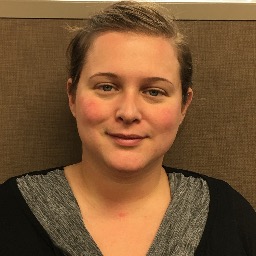
About Stephanie
She has worked with people facing complex trauma, attachment challenges, depression, anxiety, bipolar disorder, schizophrenia, and personality concerns. She also supports those dealing with gambling problems and the strains that come with caregiving and blended family situations. Her approach centers on clear steps people can take to cope better day to day.
In sessions Stephanie uses practical conversations about thoughts, feelings, and behavior. She helps clients reflect on what’s working, set realistic goals, and try new habits between meetings. The focus is on steady progress rather than quick fixes.
Her clinical work draws on approaches such as Acceptance and Commitment Therapy, Cognitive Behavioral Therapy, and Attachment-Based methods. Those tools are used to address problems like anxiety, depression, relationship strain, and difficulties that stem from attachment wounds.
Stephanie helps people create straightforward plans to manage external stressors and long-term issues. She encourages building awareness and insight so clients can take the next steps they want. To begin, clients complete a short questionnaire and schedule sessions based on availability.
Areas of expertise
Primary focus
Also works with
Additional focus areas
Therapeutic approaches
Experience
11+ years
Credentials
New York, Connecticut, Ohio
Languages
English
How these approaches shape online therapy
Acceptance and Commitment Therapy (ACT) focuses on noticing thoughts and choosing actions that align with personal values. It helps when habits or worry get in the way of living the life someone wants. Cognitive Behavioral Therapy (CBT) involves identifying unhelpful thought patterns and testing new behaviors to reduce anxiety and depression. It is useful for changing everyday habits that keep problems going. Attachment-Based Therapy looks at how early relationships influence current patterns and helps people build more secure ways of relating and coping.Finding the right approach is a collaborative process. The therapist will discuss goals, preferences, and what feels most useful. Together they try methods and adjust the plan based on what helps the client make steady progress.
Confirm the exact session formats before booking because the biography does not specify them. Online therapy can make it easier to fit sessions into a busy schedule, allow shorter check-ins when needed, and reduce travel time. Some formats also make it simpler to have a session without being on camera or to use a phone call when bandwidth is limited. Licensed professionals can guide how to adapt exercises and homework for use between sessions so therapy fits into everyday life.
Frequently asked questions
What kinds of concerns does she help with?
She works with a wide range of concerns including anxiety, depression, bipolar disorder, addiction issues like gambling, grief, anger, and stress. She also addresses attachment issues and challenges related to parenting and caregiving.
What is her general therapy style?
Her style is practical and reflective, focusing on thoughts and everyday habits that impact behavior. Sessions involve talking through patterns, setting small goals, and trying new skills between meetings.
How much clinical experience does she have?
She has 11 years of experience working with people who have complex trauma, mood disorders, attachment concerns, and addiction-related issues.
Where is she licensed and based?
She holds LCSW and LISW credentials and practices in New York. Please refer to the start process to confirm session logistics and location details.
Which languages are supported for sessions?
Sessions are offered in English and she also accepts international clients.
What session formats are offered?
Please confirm current session options before booking, as formats are not specified in the biography.
How are fees and billing handled?
Cost varies with location and therapist availability; sessions use a subscription that can be canceled at any time.
How do I begin working together?
Start by selecting the Start Therapy button, complete a short matching questionnaire, and then schedule according to therapist availability.