- Goal oriented
- Skills based
- Practical tools
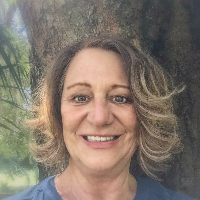
About Susan
She frames therapy as a partnership. Sessions focus on identifying small, realistic changes and practicing them between appointments. Her approach mixes evidence-based methods such as cognitive behavioral techniques with solution-focused and emotionally aware work to help clients notice patterns and try different ways of responding.
Over 35 years in practice have included a wide range of concerns, from mood and anxiety to trauma, addictions, and relationship challenges. Her background also covers issues like chronic illness, grief, attachment and abandonment, and intimacy-related topics including kink and alternative sex culture.
In sessions she aims to explain techniques plainly and to teach skills clients can use outside the office. That can mean working on thought patterns, building routines, improving communication, or managing strong emotions with practical tools.
She sees therapy as collaborative and goal-oriented. Prospective clients who prefer clear plans and homework between sessions will likely find this approach helpful. To start, readers can use the site’s Start Therapy flow to complete a short questionnaire and schedule a time based on availability.
Areas of expertise
Primary focus
Also works with
Additional focus areas
Therapeutic approaches
Experience
35+ years
Credentials
Florida
Languages
English
Approaches that shape online care and practical work
Many clients find cognitive behavioral approaches helpful because they focus on the links between thoughts, behaviors, and mood. CBT often involves identifying unhelpful thinking patterns and practicing small behavior changes to reduce anxiety, depression, or problems with sleep and eating.Dialectical behavior therapy offers concrete skills for managing intense emotions and improving relationships. DBT-style skills can help with anger, impulse control, and situations where feelings feel overwhelming.
Finding the right approach is part of the work together. The therapist will use a collaborative process to match techniques to each person's goals, needs, and preferences rather than imposing a single method.
Session formats are not specified in the original biography, so confirm the current options before booking. In general, online sessions can make it easier to fit therapy into a busy life by reducing travel time, allowing shorter check-ins when useful, and making it possible to schedule sessions around work or caregiving. Licensed professionals can adapt CBT and DBT tools to virtual settings so clients practice skills, set small goals, and track progress between visits.
Frequently asked questions
What kinds of concerns does she address?
She works with many issues including stress, anxiety, depression, trauma and abuse, bipolar concerns, addictions, relationship and intimacy-related issues, sleep and eating problems, ADHD, parenting strain, and career stress.
What is her general therapy style?
Her style is collaborative and skills-focused. She combines cognitive-behavioral methods, solution-focused strategies, and emotionally oriented work to help clients try concrete changes.
How much experience does she have?
She has 35 years of experience working in clinical settings with a wide range of concerns and populations.
What credentials and location are listed?
She is listed as FL Psychologist PY3854 and practices in Florida.
Which languages are supported and can international clients join?
Sessions are offered in English and international clients are not currently accepted.
What session formats are available?
The original biography does not specify session formats; please confirm current session options before booking.
How is cost handled?
Cost varies with location and therapist availability, and sessions use a subscription that can be canceled at any time.
How do I begin working together?
Use the Start Therapy button, complete a short matching questionnaire, and schedule according to the therapist's availability.