- Thoughts and habits
- Practical strategies
- Goal oriented
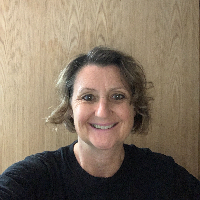
About Tamara
She draws from client-centered methods to keep sessions focused on each person's goals. Cognitive Behavioral Therapy (CBT) is a frequent tool she uses to help people spot thinking patterns and try small, useful changes. Solution-focused techniques help keep conversations goal-oriented and short-term when that fits a client's needs.
Tamara has worked in schools and community settings across West Virginia since 2001. That background gives her experience with a wide range of concerns, including trauma, grief, addictions, relationship strain, self-esteem, and coping with life changes. She also addresses specialty areas such as adoption and foster care, caregiver stress, body image, and blended family issues.
Her approach is practical and collaborative. Sessions focus on real-life habits, problem solving, and steps people can use between meetings. She encourages parents and adults to try doable strategies rather than aiming for perfection.
Scheduling is coordinated around her school counseling work, so she asks people to suggest times that fit their routine once they decide to work together. Tamara practices in West Virginia and conducts sessions in English.
Areas of expertise
Primary focus
Also works with
Additional focus areas
Therapeutic approaches
Experience
22+ years
Credentials
West Virginia
Languages
English
How therapy approaches shape online work
Client-Centered Therapy focuses on listening and responding to each person's priorities, giving space to talk through what matters most and deciding goals together. It helps when someone wants a supportive, nonjudgmental space to sort through feelings.Cognitive Behavioral Therapy (CBT) looks at how thoughts and habits influence feelings and behavior, and uses practical steps to test new ways of thinking. This approach is helpful for stress, anxiety, low mood, and habit change because it breaks problems into small, workable tasks.
Finding the right approach is often part of the first few sessions. The therapist will discuss options and collaborate with the client to choose what fits their needs and preferences, adjusting methods as goals change.
If you plan to use online therapy with this clinician, confirm the current session options before booking so you know what formats are available. Online work can make it easier to fit sessions into a busy week, allow shorter check-ins when needed, and remove travel time. It also can let people try approaches like CBT homework between meetings to practice new habits in everyday life.
Frequently asked questions
What kinds of concerns does she help with?
Tamara works with stress, anxiety, depression, parenting strain, relationship and family concerns, trauma and abuse, addictions, grief, eating issues, anger, self-esteem, career changes, bipolar concerns, and coping with life transitions.
How would you describe her therapeutic style?
She uses a practical, collaborative approach that focuses on thoughts and everyday habits. Sessions can be direct and goal-oriented while staying compassionate and straightforward.
What is her background and experience?
She has worked in counseling since 2001 and has 22 years of professional experience listed. Her roles include school counseling and adjunct teaching at a graduate college.
What credentials and location are listed?
She is a Licensed Professional Counselor (LPC) and practices in West Virginia.
Which languages are supported for sessions?
Sessions are offered in English.
Are international clients accepted?
International clients are not currently accepted.
How are session costs handled?
Cost varies with location and therapist availability; sessions use a subscription that can be canceled at any time.
How do I begin working with her?
Use the Start Therapy button, complete a short matching questionnaire, and then schedule according to the therapist's availability.