- Thoughts and habits
- Relationship support
- Grief and loss
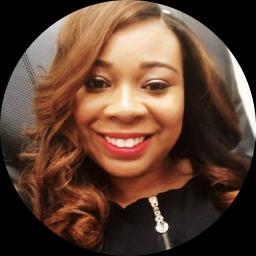
About Tayona
She uses a collaborative style, tailoring conversations and plans to each person. Sessions look at daily routines, thinking patterns, and small changes that can make life feel more manageable. Tayona supports people coping with major life transitions and persistent stressors.
Her background includes four years of professional experience in clinical settings in North Carolina. Tayona brings practical tools drawn from several approaches to help people break unhelpful cycles and build steady habits. She listens for what matters most to each person before suggesting next steps.
People who are navigating trauma, intimacy concerns, or identity-related stress often focus on pacing and safety first. Tayona helps with sleep disruption, self-esteem, addiction-related struggles, and parenting stress by mapping clear, doable goals. She works with issues connected to attachment, abandonment, and blended family dynamics.
Tayona holds the Licensed Clinical Mental Health Counselor credential, abbreviated LCMHC. If someone wants to start, she asks them to pick the Start Therapy button and complete a short matching questionnaire. Scheduling then follows based on therapist availability and the platform process.
Areas of expertise
Primary focus
Also works with
Additional focus areas
Therapeutic approaches
Experience
5+ years
Credentials
North Carolina
Languages
English
How therapeutic approaches translate to online work
Acceptance and Commitment Therapy (ACT) helps people notice unhelpful thoughts and commit to actions that match their values. It is useful for anxiety, depression, and coping with life changes. Cognitive Behavioral Therapy (CBT) focuses on identifying everyday thought patterns and testing small behavior changes to reduce symptoms like worry, low mood, and sleep problems. Dialectical Behavior Therapy (DBT) teaches concrete skills for managing strong emotions and improving interpersonal moments; it can help with anger, intense mood swings, and relationship conflict.Choosing the right approach is a team effort. The therapist will talk about goals, try methods, and adjust plans based on what actually helps. This collaborative process means the plan can change as needs and priorities become clearer.
Confirm current session options before booking since formats are not listed here. Online therapy can make it easier to fit appointments into a busy week, reduce commuting time, and allow shorter check-ins when schedules are tight. It also lets people continue work during major life transitions and access regular support without rearranging an entire day.
Frequently asked questions
What concerns does Tayona help with?
She helps people facing relationship difficulties, grief, eating issues, anger, depression, stress, anxiety, addictions, trauma, and related concerns such as sleep and self-esteem.
What is her therapeutic style like?
Tayona works collaboratively and focuses on thoughts and everyday habits. She tailors conversation and goals to each person's needs and emphasizes practical steps.
How much clinical experience does she have?
She has five years of professional experience working in North Carolina clinical settings.
What credentials and region are associated with this therapist?
She holds the LCMHC credential, which stands for Licensed Clinical Mental Health Counselor, and is licensed in North Carolina.
Which languages are supported for sessions?
Sessions are offered in English.
Can international clients work with this therapist?
She does not accept international clients at this time.
How are sessions paid for and what do they cost?
Cost varies with location and therapist availability; sessions use a subscription model that can be canceled at any time.
What are the steps to begin therapy?
Choose the Start Therapy button, complete the short matching questionnaire, and then schedule according to the therapist's availability.