- Thoughts and everyday habits
- Practical strategies
- Supportive listening
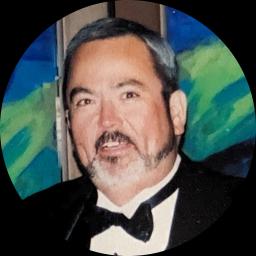
About Thomas
He focuses on clear, respectful conversation. Sessions are meant to be a place where thoughts and feelings can be shared without fear of judgment. He listens closely and helps people notice small patterns in thinking and daily routines that affect mood and coping.
Thomas uses a mix of practical approaches to address problems as they come up. That can mean exploring personal stories, practicing new ways of thinking about situations, or trying mindfulness tools to reduce stress. He works collaboratively to set goals that feel useful and realistic for day-to-day life.
Over many years he has supported people facing relationship strain, addiction concerns, trauma and abuse, parenting challenges, career stress, chronic illness, and a wide range of other life changes. He also helps with issues tied to body image, caregiving stress, and commitment or communication problems.
People who choose him can expect straightforward guidance, focused conversations, and help translating insights into small, workable habits. Prospective clients are invited to begin by using the site intake process to match and schedule a first session.
Areas of expertise
Also works with
Additional focus areas
Therapeutic approaches
Experience
46+ years
Credentials
Maryland, District of Columbia
Languages
English
How his approaches translate to online work
Thomas often uses Client-Centered Therapy to provide a listening, respectful setting where people can talk through thoughts and feelings. This approach helps when someone needs space to be heard and to make sense of personal experiences.He also uses Cognitive Behavioral Therapy, which focuses on identifying thought patterns and testing new ways of thinking and behaving. CBT can help with anxiety, depression, and habit changes by giving concrete strategies to try between sessions.
Finding the right approach is part of the work together. The therapist will collaborate with each person to choose methods that match their needs, goals, and preferences rather than prescribing one fixed path. That means trying techniques, checking what helps, and adjusting as needed.
Because session formats are not specified here, confirm current online options before booking. Online therapy can make it easier to fit sessions into a busy schedule, allow shorter check-ins when needed, and remove travel time so work on thoughts and habits can happen in smaller, more consistent steps. Licensed professionals can adapt exercises and mindfulness practices to a remote setting so progress continues between meetings.
Frequently asked questions
What kinds of concerns does Thomas help with?
He supports people dealing with stress, anxiety, grief, depression, motivation and self-esteem, as well as addictions, trauma, relationship and family issues, eating and sleeping problems, ADHD, and many life changes.
How would you describe his therapeutic style?
He offers a conversational, nonjudgmental approach that helps clients notice patterns in thoughts and daily habits. Sessions focus on practical steps and on understanding personal stories.
What is his background and experience?
He has 46 years of professional work experience supporting people with a wide range of concerns and life transitions.
What credentials and region does he practice in?
He holds LCSW-C in Maryland and LICSW in the District of Columbia and practices in Maryland.
Which languages are supported for sessions?
Sessions are offered in English.
Does he work with clients outside the United States?
International clients are not currently accepted.
How are sessions paid for and what does it cost?
Cost varies with location and therapist availability; sessions use a subscription that can be canceled at any time.
How can someone begin working with him?
Select the Start Therapy button, complete a short matching questionnaire, and then schedule according to therapist availability.