- Thoughts and habits
- Clear communication
- Practical steps
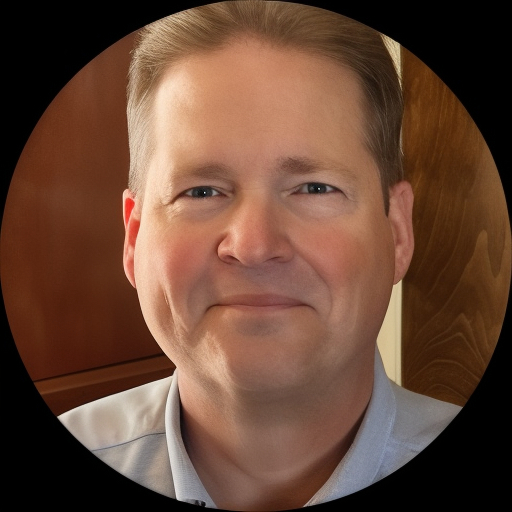
About Thomas
He focuses on practical changes to daily thoughts and habits that reduce distress. Sessions often include talking through current struggles, noticing unhelpful thinking patterns, and trying small behavioral steps that can make a day easier. He emphasizes improving communication and building self-compassion so people can manage hard moments more effectively.
Over two decades of practice in Utah have given him experience with a wide range of concerns. These include chronic pain and illness, caregiver stress, addiction, divorce and separation, domestic violence, first responder issues, abandonment, and aging-related worries. He also works with people affected by autism, disruptive mood dysregulation disorder, and disaster-related stress.
Thomas uses evidence-based therapeutic techniques and adapts them to each person’s needs. He listens closely to what matters to the individual and then crafts simple, achievable steps toward better functioning. The goal is to reduce isolation, strengthen coping, and support clearer, kinder self-talk.
People who want a practical, steady approach to emotional challenges may find his style helpful. To begin, readers should use the site Start Therapy button to match and schedule a first appointment.
Areas of expertise
Primary focus
Additional focus areas
Experience
20+ years
Credentials
Utah
Languages
English
How evidence-based techniques guide online work
Thomas uses evidence-based therapeutic techniques that focus on changing thought patterns and daily habits to reduce distress. One common approach involves identifying unhelpful thoughts and testing them against real-life evidence to change how a person interprets situations and reacts emotionally. This can help with anxiety, low mood, and panic responses.Another approach emphasizes small behavior changes and routine adjustments. By trying doable, repeated actions - sleep habits, brief social steps, or paced activity - people often find gradual relief from depression, chronic stress, and pain-related low mood. These steps are concrete and aimed at fitting into daily life.
Finding the right combination of techniques is a collaborative process. The therapist will talk with each person about what feels most relevant and try different methods until something fits the client’s goals and preferences. Clients help shape the plan and pace.
If you are considering online sessions, confirm the specific session formats available before booking. This helps set expectations about how the work will fit into your schedule. Many people appreciate online options because they can more easily fit sessions into a busy week, reduce travel time, and choose quieter surroundings or shorter check-ins when needed.
Frequently asked questions
What concerns does he address?
He works with stress, anxiety, depression, anger, relationship difficulties, and trauma and abuse, plus many related issues such as caregiver stress and addiction.
What is his therapeutic style like?
He uses a compassionate, practical approach focused on thoughts and everyday habits, improving communication, and building self-compassion.
How long has he practiced?
He has 20 years of clinical experience working with a wide range of emotional and life-transition concerns.
What are his credentials and location?
He is an LCMHC - Licensed Clinical Mental Health Counselor - practicing in Utah.
In which languages can sessions be held?
Sessions are offered in English.
Can international clients work with him?
He does not accept international clients at this time.
How does payment and cost work?
Cost varies with location and therapist availability; sessions use a subscription that can be canceled at any time.
How do I begin working with him?
Use the Start Therapy button, complete a short matching questionnaire, and then schedule according to therapist availability.