- Thoughts and habits
- Trauma-informed care
- Practical steps
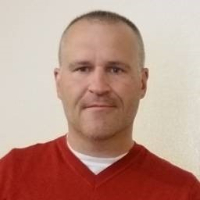
About Thomas
He trained originally with a Master of Social Work and has three years of experience listed for this profile. Thomas uses several therapy approaches and works with clients to choose what fits best. Sessions tend to look at patterns in thinking and daily routines and how those shape mood and behavior.
In the room he focuses on clear steps people can try between visits. That can mean spotting unhelpful thought patterns, testing small behavior changes, or telling and reshaping personal stories that keep someone stuck. He also draws on trauma-informed methods when past events are part of what they are working through.
Thomas often helps people facing life transitions, caregiving stress, parenting strain, or workplace pressure. He supports those dealing with identity issues, intimacy-related concerns, and recovery from loss or abuse. Practical problem solving and short-term goals are common parts of his work.
People who prefer a straightforward, collaborative approach may find his style a good fit. Before booking, confirm current session options so arrangements match your schedule and needs.
Areas of expertise
Primary focus
Also works with
Additional focus areas
Therapeutic approaches
Experience
3+ years
Credentials
Pennsylvania
Languages
English
Approaches that shape online sessions
Thomas often uses Cognitive Behavioral Therapy to help people notice thoughts and habits that affect mood, then try small behavior changes to see what helps. He also draws on EMDR when past traumatic events are part of the problem - EMDR focuses on processing difficult memories to reduce their hold on daily life. Narrative Therapy is another approach he uses to help people tell and reframe their stories so problems feel less defining.Choosing the right approach is a collaborative process. Thomas will talk with each person about goals, preferences, and what feels most useful. Together they adjust methods as progress is made and priorities change.
Confirm current session options before booking to know which online formats are offered. Online work can make scheduling easier, allow shorter check-ins on busy days, and reduce commuting time so therapy fits into a workday or caregiving routine. It also lets therapists use written exercises, screen-sharing for worksheets, or guided processing in ways that support the chosen therapeutic approach.
Frequently asked questions
What kinds of concerns does Thomas help with?
He works with stress, anxiety, depression, trauma and abuse, grief, addictions, sleep problems, parenting strain, relationship and intimacy-related issues, and many related concerns listed in his specialties.
What is his general approach in sessions?
He uses a mix of methods and focuses on thoughts and everyday habits, practical steps, and goal-oriented work chosen together with the client.
What is his background and experience?
Thomas holds a Master of Social Work and lists three years of experience for this profile.
What credentials and location are listed?
He is an LCSW licensed in Pennsylvania and practices from that state.
Which languages are supported and can international clients join?
Sessions are offered in English and he is not currently accepting international clients.
What session formats are available?
Confirm current session options before booking to make sure the timing and format meet your needs.
How does pricing work?
Cost varies with location and therapist availability; sessions use a subscription that can be canceled at any time.
How do I get started with Thomas?
Select the Start Therapy button, complete a short matching questionnaire, and schedule according to therapist availability.