- Thoughts and everyday habits
- Practical change strategies
- Longstanding clinical experience
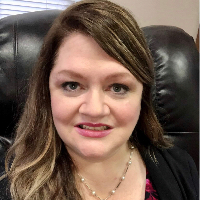
About Tracey
In sessions she focuses on thoughts and everyday habits that influence feelings and actions. She uses practical, evidence-informed approaches to help clients notice patterns and try small changes. The aim is to build tools that fit into daily life and that clients can use between appointments.
Tracey draws from several therapeutic approaches, including cognitive behavioral techniques, dialectical strategies, acceptance and commitment ideas, attachment-informed work, and client-centered care. She has experience supporting people with adoption and foster care histories, attachment concerns, autism spectrum differences, and blended family challenges. She has worked with LGBT clients for many years and is familiar with issues that can come up for that community.
Her background includes long-term clinical practice in Georgia and work with clients across a wide age range. Tracey has incorporated animal-assisted work into her practice in the past and values practical, person-focused plans. Outside of therapy she enjoys reading, hiking, home projects, thrifting, and spending time at the beach.
People who meet with her can expect straightforward conversations, a focus on habits and thinking patterns, and collaborative planning to address pressing problems and everyday stressors.
Areas of expertise
Primary focus
Also works with
Additional focus areas
Therapeutic approaches
Experience
27+ years
Credentials
Georgia
Languages
English
How therapeutic approaches shape online care
Acceptance and Commitment Therapy, or ACT, helps people notice thoughts and feelings without getting stuck in them. It focuses on values and taking small actions that matter, which can help with anxiety, depression, and life transitions.Cognitive Behavioral Therapy, or CBT, looks at the link between thoughts, habits, and mood. It teaches practical tools to challenge unhelpful thinking and to build healthier routines, which is useful for anxiety, depression, and habit change.
Finding the right approach is part of the work. The therapist will collaborate with each person to identify which methods fit their needs and goals. That means trying things, checking what helps, and adjusting the plan together over time.
Online therapy can make it easier to fit sessions into a busy life. It may reduce travel time, allow shorter check-ins during a workday, or avoid the need to be on camera when that helps. Confirm the current session options before booking so you know which formats are offered. Licensed professionals can use online work to teach practical strategies from ACT and CBT, help reshape daily habits, and support progress between meetings.
Frequently asked questions
What concerns does she help with?
She works with stress, anxiety, depression, bipolar disorder, trauma and abuse, addictions, grief, relationship and intimacy issues, parenting challenges, and many related concerns listed in her specialties.
What is her general approach in sessions?
Her style is practical and client-centered, focusing on thoughts and everyday habits. She helps people notice patterns and practice small changes between sessions.
How much clinical experience does she have?
She has 27 years of experience working in clinical settings and with a broad range of concerns across different life stages.
What credentials and location are listed?
She is licensed as an LPC in Georgia and practices from that state.
Which languages are supported for sessions?
Sessions are offered in English.
Can international clients work with her?
She does not accept international clients at this time.
How are costs and billing handled?
Cost varies with location and therapist availability; sessions use a subscription that can be canceled at any time.
How do I begin working with her?
Choose the Start Therapy button, complete the short matching questionnaire, and then schedule according to therapist availability.