- Thought patterns
- Practical skills
- Emotion regulation
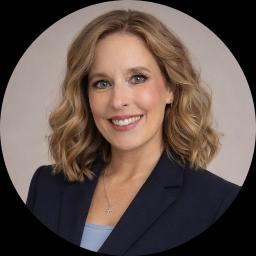
About Tracie
Tracie draws on Cognitive Behavioral Therapy, Dialectical Behavior Therapy, and mindfulness techniques to help clients notice unhelpful thoughts and change everyday habits. She favors short, clear tools people can practice between sessions. Conversations often include identifying patterns, testing new ways of thinking, and building routines that support emotion regulation and better sleep.
Her background includes clinical work across several states and settings, giving her experience with varied life transitions and stressors. That experience informs a down-to-earth approach that respects each person's goals and pace. Tracie emphasizes collaboration and keeps plans flexible so they fit into real life.
In sessions she listens for unhelpful thinking patterns and offers concrete strategies to break them. She also uses motivational techniques to support change around substance use and other habits that feel stuck. The focus is on shifting thoughts and small daily practices that add up to meaningful change.
People who choose her often want straightforward, skills-based support for coping, managing emotions, and rebuilding routines after loss or major life changes. To begin, clients complete a brief matching questionnaire and schedule sessions according to availability.
Areas of expertise
Primary focus
Also works with
Additional focus areas
Therapeutic approaches
Experience
9+ years
Credentials
Alaska, Iowa
Languages
English
How her approaches translate to online work
Tracie uses Cognitive Behavioral Therapy and Dialectical Behavior Therapy alongside mindfulness practices. CBT helps people spot unhelpful thoughts and test new ways of thinking, which can reduce worry and improve mood. DBT focuses on emotion regulation and practical skills for handling intense feelings and relationship stress. Mindfulness teaches simple awareness exercises that reduce reactivity and improve sleep and focus.Finding the best approach is a team effort. The therapist will talk with the client about goals and day-to-day challenges, then try techniques that fit those needs. Sessions can shift over time as goals change, and progress is reviewed collaboratively so the plan stays useful.
Confirm the available session formats before booking, as the profile does not specify them. Online therapy can make it easier to fit appointments into a busy week, offer shorter check-ins when needed, and remove travel time so people can use breaks or evenings more easily. Licensed professionals can adapt CBT, DBT, and mindfulness exercises to work well in remote sessions, focusing on skill practice and habit changes that clients can use between meetings.
Frequently asked questions
What concerns does she address?
She works with stress, anxiety, addictions, depression, trauma and related issues like grief, sleep problems, and body image.
What is her therapeutic style like?
Her style is warm and straightforward. Sessions focus on clear tools and everyday habit changes rather than long lectures.
How much clinical experience does she have?
She has nine years of experience working in multiple states and settings, which informs a practical, flexible approach.
What credentials and location are listed?
She is listed as LPC and LMHC with licensure in Alaska (AK LPC) and Iowa (IA LMHC), and she is based in Iowa.
Which languages are supported for sessions?
Sessions are offered in English only.
Can international clients work with her?
International clients are not currently accepted.
How does pricing work?
Cost varies by location and therapist availability; sessions use a subscription that can be canceled at any time.
What are the first steps to begin?
Click the Start Therapy button, complete a short matching questionnaire, and then schedule according to the therapist's availability.