- Stress and anxiety
- Addiction recovery support
- Thoughts and everyday habits
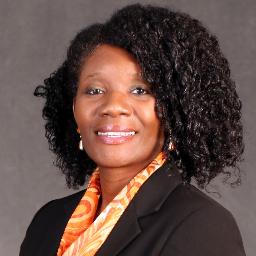
About Valerie
She helps people increase self-compassion and rebuild energy for life. Sessions often look at patterns that keep someone from feeling hopeful or connected. She also works with people affected by trauma and supports those pursuing long-term sobriety from substance use.
Her approach blends several evidence-informed methods such as cognitive behavioral ideas and acceptance-based strategies. That combination is used to teach skills for managing difficult thoughts and building healthier habits. The therapist also draws on attachment-focused work to address relationship pain and emotional safety.
Dr. McGaha emphasizes collaborative, science-informed care. Clients can expect a practical focus on awareness, decision making, and small habit changes that add up over time. She encourages honest conversation and a willingness to try new ways of coping.
Her practice recognizes each person’s background and identity. Sessions aim to uncover strengths and practical next steps, helping people move from feeling stuck toward more satisfying daily life and relationships.
Areas of expertise
Primary focus
Additional focus areas
Therapeutic approaches
Experience
21+ years
Credentials
Oklahoma
Languages
English
How therapy approaches translate to online work
Acceptance and Commitment Therapy (ACT) focuses on noticing thoughts and choosing actions that reflect personal values. It helps people who get stuck in worry or avoidance by teaching mindful acceptance and value-driven steps. Cognitive Behavioral Therapy (CBT) looks at links between thoughts, feelings, and behaviors and teaches practical skills to change unhelpful thinking and daily habits. It is often used for anxiety, depression, and stress. Attachment-Based Therapy pays attention to relationship patterns and emotional bonds, helping people understand how early connections shape adult trust and closeness.Finding the right approach is part of the process. The therapist will work together with each person to identify which methods fit their needs, goals, and preferences. That collaborative decision may mix elements from different approaches as progress unfolds.
Confirm current session options before booking since session formats are not specified here. Online work can make scheduling easier and help therapy fit into busy lives by reducing travel time and allowing shorter check-ins around work or family routines. It can also support steady practice of skills between sessions, such as brief behavioral experiments or guided exercises that reinforce thoughts and everyday habits.
Frequently asked questions
What concerns does Dr. McGaha address?
She works with people facing stress, anxiety, depression, relationship and family problems, and issues related to addiction. Additional focuses include attachment issues, communication problems, hoarding, and grief-related concerns.
What is her therapeutic style like?
Her style is collaborative and practical, emphasizing awareness and small habit changes. She uses approaches that teach skills for managing thoughts and emotions while exploring relationship patterns.
How much experience does she have?
She has 21 years of experience working with people on mental health and co-occurring concerns. That background includes work related to suicide prevention, intervention, and postvention.
Where does Dr. McGaha practice?
She practices in Oklahoma and holds the LPC credential there. Sessions are provided by her from that region.
Which languages are supported?
Sessions are offered in English.
Can international clients work with her?
International clients are not accepted at this time.
How are fees and billing handled?
Costs vary by location and therapist availability. Sessions use a subscription that can be canceled at any time.
How do I start working with Dr. McGaha?
Select the Start Therapy button, complete a short matching questionnaire, and schedule according to therapist availability.