- Thoughts and everyday habits
- Values-based action
- Mindfulness skills
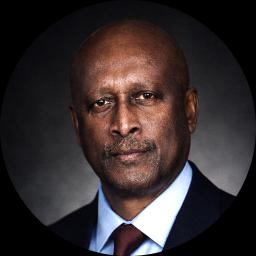
About William
He uses straightforward conversation to tailor plans to each person. He draws on cognitive behavioral techniques to identify and change unhelpful thinking and behavior. Mindfulness practices are used to build awareness and reduce reactivity in stressful moments.
Dr. Thomas also incorporates Acceptance and Commitment Therapy to help people clarify values and commit to small, practical steps toward those values. Attachment-informed ideas are woven into sessions when relationship patterns and early bonds shape current struggles. Sessions focus on usable tools and habits rather than theory alone.
He holds a Licensed Clinical Social Worker credential - LCSW - and has about 20 years of experience. Dr. Thomas works from New York and provides services in English. He personalizes each plan and aims to empower people to make change at a realistic pace.
People who prefer clear, goal-oriented work that still allows room for empathy may find his style a good fit. He encourages asking questions up front so sessions match what each person needs.
Areas of expertise
Primary focus
Also works with
Additional focus areas
Therapeutic approaches
Experience
20+ years
Credentials
New York
Languages
English
Therapeutic approaches and online support
Acceptance and Commitment Therapy, or ACT, focuses on helping people notice unhelpful thoughts and take small actions based on their values. It can help when stress, addictive patterns, or mood issues get in the way of living the life someone wants. Cognitive Behavioral Therapy, or CBT, helps identify thinking and behavior patterns that keep problems going and replaces them with more helpful habits. CBT is often used for anxiety, depression, and many everyday habit changes. Mindfulness Therapy teaches simple attention and breathing practices to reduce reactivity and improve focus in difficult moments.Choosing the best approach is part of the work. The therapist will collaborate with each person to figure out which methods match their goals and preferences, and then try practical steps to see what helps. That means starting with a plan but adjusting it based on what feels useful in real life.
The original biography did not specify which online session formats are offered, so confirm the available options before booking. Online sessions can make it easier to fit therapy into a busy week, reduce travel time, and allow shorter check-ins when needed. They can also let someone continue work between in-person appointments when that suits their schedule. Discussing format and timing up front helps shape sessions that match everyday routines.
Frequently asked questions
What concerns does he commonly address?
He supports people with stress, anxiety, addictions, relationship strain, self-esteem, depression, and bipolar-related concerns, plus focused problems like hoarding, infidelity, and process addictions.
What is his therapeutic style like?
Sessions are practical and conversational with an emphasis on small behavior changes, clearer thinking, and building useful daily habits.
How long has he been practicing?
He brings about 20 years of professional experience working with people on addiction, motivation, mood, and relationship issues.
What are his credentials and where is he based?
He holds an LCSW and practices out of New York.
Which languages are sessions offered in?
Sessions are offered in English and he does accept international clients.
What session formats are available?
The original biography did not list specific session formats, so confirm current options before booking to know which formats are offered.
How is cost handled?
Cost varies with location and therapist arrangements; sessions use a subscription that can be canceled at any time.
How do I begin working with him?
Click the Start Therapy button, complete a short matching questionnaire, and schedule according to the therapist's availability.