
Laura Clarke
LPCOregon · 4 yrs exp
Practical therapy for thoughts and habits
Relationship · Trauma and abuse · Intimacy-related issues · Self esteem · +5 more
Read profileTherapist listings are provided by BetterHelp. We will earn a commission at no extra cost to you if you use our links to buy.
Welcome to our directory of licensed online therapists serving Oregon. All therapists listed here hold Oregon licenses and offer services via telehealth where permitted. Explore profiles to learn about approaches, credentials, languages, and areas of focus.
Oregon · 4 yrs exp
Practical therapy for thoughts and habits
Relationship · Trauma and abuse · Intimacy-related issues · Self esteem · +5 more
Read profile
Oregon · 25 yrs exp
Compassionate LCSW focused on practical change
Stress, Anxiety · Trauma and abuse · Eating · Self esteem · +15 more
Read profile
Oregon · 20 yrs exp
Practical support for thoughts and everyday habits
Stress, Anxiety · Relationship · Grief · Eating · +11 more
Read profile
Oregon · 10 yrs exp
Practical, down-to-earth help for everyday struggles
Stress, Anxiety · Grief · Self esteem · Depression · +10 more
Read profile
Oregon · 30 yrs exp
Experienced psychologist focused on thoughts and habits
Stress, Anxiety · LGBT · Relationship · Anger · +13 more
Read profile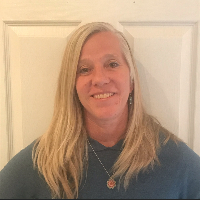
Oregon · 17 yrs exp
Practical support for hard moments
Stress, Anxiety · Grief · Bipolar · Depression · +12 more
Read profile
Oregon · 7 yrs exp
Practical help for thoughts and habits
Stress, Anxiety · Addictions · Trauma and abuse · Grief · +10 more
Read profile
Oregon · 10 yrs exp
Therapist who focuses on thoughts and habits
Trauma and abuse · Grief · Anger · Bipolar · +11 more
Read profile
Oregon · 20 yrs exp
Calm, practical care for thought and habit change
Stress, Anxiety · Trauma and abuse · Grief · Self esteem · +13 more
Read profile
Oregon · 30 yrs exp
Hopeful, practical therapy with an experienced clinician
Stress, Anxiety · Addictions · Trauma and abuse · Grief · +15 more
Read profile
Oregon · 20 yrs exp
Calm guidance for habits and relationships
Addictions · Relationship · Trauma and abuse · Self esteem · +10 more
Read profile
Oregon · 20 yrs exp
Compassionate, experience-based therapy for everyday life
Stress, Anxiety · Addictions · Trauma and abuse · Self esteem · +14 more
Read profile
Oregon · 26 yrs exp
Thoughts and habits focused therapist
Stress, Anxiety · Relationship · Family · Parenting · +8 more
Read profile
Oregon · 5 yrs exp
Calm, practical therapy focused on everyday change
Stress, Anxiety · Relationship · Grief · Self esteem · +12 more
Read profile
Oregon · 24 yrs exp
Compassionate LCSW focused on thoughts and habits
Stress, Anxiety · Relationship · Trauma and abuse · Grief · +8 more
Read profile
Oregon · 12 yrs exp
Support for thought patterns and habits
Addictions · Relationship · Family · Trauma and abuse · +12 more
Read profile
Oregon · 3 yrs exp
Community health counselor focused on daily thinking
Stress, Anxiety · Trauma and abuse · Self esteem · Bipolar · +10 more
Read profile
Oregon · 24 yrs exp
Hopeful, practical therapy with faith options
Stress, Anxiety · Relationship · Grief · Intimacy-related issues · +5 more
Read profile
Oregon · 21 yrs exp
Support for daily thoughts and habits
Stress, Anxiety · Family · Depression · Coping with life changes · +7 more
Read profile
Oregon · 24 yrs exp
Calm, practical therapy for daily life
Stress, Anxiety · Grief · Career · Coping with life changes · +6 more
Read profile
Oregon · 12 yrs exp
Guided, body-aware care for tough thoughts
Stress, Anxiety · Trauma and abuse · Grief · Depression · +1 more
Read profile
Oregon · 4 yrs exp
Practical support for thoughts and daily habits
Stress, Anxiety · Relationship · Trauma and abuse · Grief · +6 more
Read profile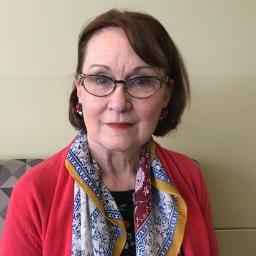
Oregon · 20 yrs exp
Calm, practical counseling for life changes
Grief · Career · Depression · Coping with life changes · +1 more
Read profile
Oregon · 16 yrs exp
Compassionate focus on thoughts and habits
Stress, Anxiety · Addictions · Relationship · Grief · +11 more
Read profileIf you are considering online therapy in Oregon, you will find a range of clinicians who offer virtual services within the state. Licensed mental health professionals in different disciplines - including counselors, clinical social workers, marriage and family therapists, and psychologists - may provide sessions by video or phone in accordance with state rules. Licensing boards set the scope of practice and professional standards, and many clinicians report using telehealth to reach people who live across Oregon's urban and rural communities. Online services may be offered as a standalone option or as part of a blend with in-person meetings, depending on the clinician's practice and the needs of the person seeking support.
Because rules and technology evolve, it's helpful to look for clear information about a clinician's license type, the approaches they list, the populations they work with, and the languages they speak. Profiles often indicate whether a therapist lists telehealth among their modalities. This can help you identify clinicians who have experience communicating and working through video or phone sessions.
Online therapy offers practical benefits if you live in Oregon. You can connect from your home, workplace, or another comfortable environment without traveling long distances across the state. For people in rural areas or those with limited public transportation options, virtual sessions can reduce the time and cost associated with commuting. Online formats also allow for greater scheduling flexibility around work, caregiving responsibilities, or school commitments, and they can make it easier to maintain continuity of care after a move within Oregon.
Beyond convenience, virtual therapy may expand your options when you are seeking a therapist who shares a particular language, cultural background, or clinical focus. If you prefer to meet someone who specializes in perinatal mood concerns, grief, trauma recovery, relationship work, or chronic illness coping, online options increase the likelihood of finding a clinician whose approach suits you. You should consider how comfortable you feel communicating by video or phone, what technology you will use, and whether you can carve out a quiet, comfortable setting for sessions to help the time be productive.
Online therapists in Oregon commonly support people with a wide array of concerns. Many clinicians work with anxiety and stress management, low mood and depression, relationship difficulties, life transitions such as career change or relocation, and parenting or family challenges. Therapists also frequently assist with grief, adjustment after loss, coping with chronic health conditions, and managing everyday stressors that affect functioning and wellbeing. Some clinicians list trauma-focused approaches among their methods and work with trauma-related symptoms, while others emphasize skills-based approaches for emotion regulation and behavioral change.
You may find therapists who list cognitive-behavioral approaches, mindfulness-informed methods, psychodynamic perspectives, family systems work, or other modalities among their approaches. It is important to note that a clinician's profile indicates what they list as approaches rather than formal endorsements of specific training. When exploring profiles, pay attention to the population focus noted by the therapist - for example, adolescents, adults, couples, or perinatal clients - so you can identify clinicians who commonly work with the issues most relevant to you.
Before beginning services, you may want to verify a therapist's license and standing with Oregon licensing authorities. Start by locating the clinician's license type and license number on their public profile. Common license types include Licensed Professional Counselor, Licensed Clinical Social Worker, Licensed Marriage and Family Therapist, and psychologist credentials such as PhD or PsyD. With that information, you can consult the appropriate Oregon licensing board's license lookup tool to confirm current status.
The Oregon Board of Licensed Professional Counselors and Therapists, the Oregon Board of Licensed Social Workers, and the Oregon Board of Psychology each maintain searchable registries where you can check a license number, see the license expiration date, and review any publicly recorded disciplinary actions. If a profile does not list a license number, you can contact the clinician's office to request it or reach out to the board directly by phone or email for verification. Reviewing this information helps you confirm that a clinician is authorized to practice in Oregon and understand any restrictions that may be on their license.
Getting started begins with clarifying what you want from therapy. Think about the issues you want to address, whether you prefer short-term skills-based work or a longer exploratory process, and any practical needs such as language preference or cultural understanding. Use the directory to filter for clinicians who list the approaches and populations you are seeking. When you identify potential matches, reach out to the clinician's listed contact method to ask about how they structure sessions, typical session length, fees and insurance policies, and the technologies they use for virtual meetings.
Choosing a clinician is a personal decision. Consider the ways a therapist describes their approach and whether that language resonates with you. Some people prefer a more directive, goal-oriented approach while others want space for reflective exploration; you can look for clinicians who list those orientations among their methods. Inquire about whether they have experience working with your primary concerns, and whether they list particular populations they commonly work with. If a clinician lists multiple approaches - for example, cognitive-behavioral methods alongside mindfulness-informed work - you might ask how they integrate those methods in sessions.
Practical factors are also important. Confirm the technology requirements early so you can prepare a device with a camera and microphone if needed and ensure a reliable internet connection. Consider where you will sit for sessions so you can speak openly without interruptions. Ask about payment methods and whether the clinician accepts your insurance or offers a sliding scale. If you have legal or workplace considerations, ask how notes and records are handled and whether the clinician can provide documentation if needed. Finally, trust your instincts about communication style - you should feel heard and respected in initial outreach and consultations.
Online therapy can be a flexible way to find support while living in Oregon. By learning how therapists describe their approaches, verifying licensure, and preparing for a thoughtful first conversation, you can increase the chances of finding a clinician whose methods and experience align with your goals. Use the directory to compare profiles, read descriptions carefully, and reach out with questions so you feel confident about the next steps in your care.
Addictions
3412 therapists
ADHD
3185 therapists
Anger
3872 therapists
Control Issues
3892 therapists
Depression
5195 therapists
Eating Disorders
2090 therapists
Gambling
2129 therapists
Grief
4258 therapists
Guilt and Shame
4738 therapists
Hoarding
2237 therapists
Impulsivity
3498 therapists
Isolation / Loneliness
4572 therapists
Mood Disorders
4051 therapists
OCD
4986 therapists
Panic Disorder and Panic Attacks
4261 therapists
Phobias
2734 therapists
Post-Traumatic Stress
4376 therapists
Seasonal Affective Disorder (SAD)
3148 therapists
Self Esteem
4909 therapists
Sleeping Disorders
2182 therapists
Smoking
1167 therapists
Social Anxiety and Phobia
4831 therapists
Stress & Anxiety
5489 therapists
Trauma and Abuse
4750 therapists
Trichotillomania
776 therapists
Body Image
3126 therapists
Career
3285 therapists
Caregiver Issues and Stress
3502 therapists
Communication Problems
4674 therapists
Coping with Life Changes
4575 therapists
Family
4161 therapists
Forgiveness
4277 therapists
Life Purpose
4498 therapists
Parenting
3555 therapists
Relationship
4692 therapists
Self-Love
4471 therapists
Workplace Issues
3867 therapists