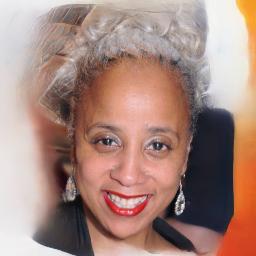
Cheryl Marrow
LPC, LMFTDistrict of Columbia · 25 yrs exp
Practical help for thoughts and daily habits
Addictions · Relationship · Family · Intimacy-related issues · +4 more
Read profileTherapist listings are provided by BetterHelp. We will earn a commission at no extra cost to you if you use our links to buy.
Welcome to CalmerThoughts.org's directory for online therapy in the District of Columbia. All therapists listed on this page are licensed to practice in the District of Columbia. Explore individual profiles to learn about each professional's focus, approaches, credentials and language options.
District of Columbia · 25 yrs exp
Practical help for thoughts and daily habits
Addictions · Relationship · Family · Intimacy-related issues · +4 more
Read profile
District of Columbia · 24 yrs exp
Compassionate bilingual LICSW focused on relationships
Relationship · Trauma and abuse · Intimacy-related issues · Self esteem · +4 more
Read profile
District of Columbia · 20 yrs exp
Thoughts and habits guide change
Relationship · Family · Trauma and abuse · Depression · +14 more
Read profile
District of Columbia · 26 yrs exp
Thoughts and habits focused counselor
Stress, Anxiety · Trauma and abuse · Self esteem · Depression · +7 more
Read profile
District of Columbia · 10 yrs exp
Calm, practical help for everyday thinking and habits
Stress, Anxiety · Family · Trauma and abuse · Grief · +12 more
Read profile
District of Columbia · 25 yrs exp
Warm, direct support for everyday struggles
Coping with life changes · Coaching · ADHD
Read profile
District of Columbia · 6 yrs exp
Compassionate support for changing everyday habits
Stress, Anxiety · Relationship · Self esteem · Depression · +1 more
Read profile
District of Columbia · 3 yrs exp
Practical support for stress and relationship challenges
Stress, Anxiety · Relationship · Grief · Career · +1 more
Read profile
District of Columbia · 10 yrs exp
Calm, practical help for daily challenges
Stress, Anxiety · Relationship · Grief · Self esteem · +1 more
Read profileOnline therapy has become an established option for many people living in and around the District of Columbia. You will find licensed mental health professionals who offer sessions by video or phone, allowing you to connect from home, work or another convenient location. While the technology and formats may vary, the essential element is that a therapist and client meet remotely to work on emotional, relational and behavioral concerns. It is useful to know that regulations and professional requirements can shape how online therapy is offered. In many cases, a therapist who provides remote services will list the District of Columbia as a state where they are licensed to practice, and they will describe the kinds of work they do, the populations they serve and the communication methods they use.
Because online therapy crosses both clinical and technical considerations, you will encounter a range of approaches among therapists in the District of Columbia. Some therapists emphasize shorter-term skills-based work focused on symptoms or life transitions, while others describe longer-term counseling or psychotherapy approaches. On practitioner profiles you may see references to particular methods; for example, some therapists list cognitive behavioral therapy among their approaches, and others list relational or trauma-focused methods. That language indicates what a therapist may draw on in sessions but does not substitute for asking about experience, style and how they integrate different methods into care.
Online therapy can offer practical advantages when you live in a busy urban environment like Washington, D.C. You can reduce commute time and fit sessions around work, school or caregiving responsibilities. For people navigating tight schedules, the ability to attend a session from a nearby office, a personal workplace or your home can make consistent care more feasible. Online options also expand geographic reach - if you recently moved within the metropolitan area, have a temporary commute in another part of the region, or spend time in multiple neighborhoods, remote sessions can maintain continuity in a therapeutic relationship.
Another benefit is access to a broader range of practitioners. The District of Columbia is home to clinicians who work with different populations, life stages and cultural backgrounds. Remote care can help you find a therapist who shares language skills, cultural understanding or experience with specific life concerns even if that person is not geographically close. Finally, online therapy can be adapted to your preferences for session structure and communication. Some therapists offer a mix of video, phone or messaging between sessions, and many will describe their typical session length and approach on their profile so you can get a sense of how they work.
Therapists who list online services often address a wide range of emotional and interpersonal issues. Many people seek help for anxiety, including situational worries, generalized anxiety and panic-related concerns. Others focus on mood-related issues such as persistent low mood, situational depression or coping with life transitions like a move, career change or relationship shift. Relationship work is another common focus - you will find therapists who describe experience helping individuals and couples navigate communication challenges, conflict and partnership transitions.
Beyond mood and relationship themes, therapists in the District of Columbia may work with grief, stress management, workplace concerns, parenting challenges and identity-related matters. Some profiles indicate work with trauma-related issues; in those cases you will often see phrasing such as therapists who list EMDR among their approaches or who describe trauma-informed care in their practice. If you have a specific concern, look for practitioners who mention that focus area on their profile and read how they describe their approach, the populations they work with and the kinds of goals they typically address.
When you find a therapist whose profile feels like a potential fit, verifying their licensure status in the District of Columbia is an important step. Start by looking for the license type and number on the therapist's profile. Most licensed professionals will list whether they are a psychologist, clinical social worker, professional counselor or another credential, along with the issuing state. If that information is not visible, you can ask the therapist directly for their license details.
Once you have a name and license number, you can check official District of Columbia government resources that track licensing and disciplinary records. These resources allow you to confirm that the license is active, the license type matches the listed credential, and there are no active disciplinary actions that might be relevant to your decision. If you prefer, you can also contact the appropriate licensing board by phone or email to request verification. Asking for documentation and following up with a board search are practical ways to feel informed about a practitioner’s professional standing.
Getting started with online therapy involves both logistical and personal preparation. On the logistical side, make sure you have a reliable internet connection or a phone plan that supports the communication method you plan to use. Identify a location where you can speak without interruptions and with a reasonable level of privacy - a quiet office, a car between appointments or another personal area can work. It helps to think about what you want to accomplish in the early sessions. You may want to jot down key concerns, recent stressors and any questions about the therapist’s approach, fee structure and communication preferences.
When selecting a therapist, consider how their focus areas, stated approaches and language capabilities align with your needs. Profiles often describe the populations a therapist works with - for example adults, couples or adolescents - and note particular areas of emphasis such as trauma, grief or career stress. If a specific therapeutic style appeals to you, look for language that matches that interest. For instance, you might seek therapists who list CBT among their approaches if you want skills-based work, or therapists who list relational approaches if your primary concerns involve partnerships and family dynamics. Language options are also relevant; if you prefer sessions in a language other than English, seek practitioners who list that language on their profile.
Another helpful consideration is how therapists describe their session structure and goals. Some practitioners emphasize short-term, problem-focused work while others describe long-term exploration of patterns and life history. Neither approach is inherently superior - what matters is that the structure resonates with your needs and expectations. You can also look for mentions of collaboration, measurement of progress or ways the therapist adapts methods to each person's situation. If cultural competence or understanding of specific identities is important to you, examine how practitioners describe their experience and approach to diversity.
As you narrow choices, consider reaching out to a few therapists to ask brief questions about their background, approach and what a typical first session covers. That initial exchange can provide a sense of communication style and whether you feel comfortable with the person. Keep in mind that finding the right match can take time and that many people try more than one practitioner before deciding who they work with over the long term. Trust your sense of fit, the clarity of the therapist’s answers and how well their stated focus aligns with the outcomes you hope to achieve.
Online therapy in the District of Columbia offers a range of options that can fit different schedules, needs and personal preferences. By taking steps to verify licensure, clarifying your goals and reviewing how therapists describe their focus and approaches, you can make a thoughtful choice about who to contact. Use profiles to gather information, prepare questions for initial outreach and prioritize the factors that matter most for your care. With a clear approach and realistic expectations, you can find an online therapist in the District of Columbia who supports your goals for emotional and relational well-being.
Addictions
3412 therapists
ADHD
3185 therapists
Anger
3872 therapists
Control Issues
3892 therapists
Depression
5195 therapists
Eating Disorders
2090 therapists
Gambling
2129 therapists
Grief
4258 therapists
Guilt and Shame
4738 therapists
Hoarding
2237 therapists
Impulsivity
3498 therapists
Isolation / Loneliness
4572 therapists
Mood Disorders
4051 therapists
OCD
4986 therapists
Panic Disorder and Panic Attacks
4261 therapists
Phobias
2734 therapists
Post-Traumatic Stress
4376 therapists
Seasonal Affective Disorder (SAD)
3148 therapists
Self Esteem
4909 therapists
Sleeping Disorders
2182 therapists
Smoking
1167 therapists
Social Anxiety and Phobia
4831 therapists
Stress & Anxiety
5489 therapists
Trauma and Abuse
4750 therapists
Trichotillomania
776 therapists
Body Image
3126 therapists
Career
3285 therapists
Caregiver Issues and Stress
3502 therapists
Communication Problems
4674 therapists
Coping with Life Changes
4575 therapists
Family
4161 therapists
Forgiveness
4277 therapists
Life Purpose
4498 therapists
Parenting
3555 therapists
Relationship
4692 therapists
Self-Love
4471 therapists
Workplace Issues
3867 therapists