
Prof. Craig Hutton
LCSWNew Mexico · 4 yrs exp
Compassionate social worker focused on practical change
Stress, Anxiety · Relationship · Trauma and abuse · Intimacy-related issues · +11 more
Read profileTherapist listings are provided by BetterHelp. We will earn a commission at no extra cost to you if you use our links to buy.
If you are seeking online therapy in New Mexico, this directory can help you explore local options. All therapists listed here are licensed in New Mexico; browse profiles to compare approaches, languages, and areas of focus that match your needs.
New Mexico · 4 yrs exp
Compassionate social worker focused on practical change
Stress, Anxiety · Relationship · Trauma and abuse · Intimacy-related issues · +11 more
Read profile
New Mexico · 10 yrs exp
Understanding relationships and everyday habits
Family · Parenting · Depression · Coping with life changes · +11 more
Read profile
New Mexico · 32 yrs exp
Practical, experienced social worker and therapist
Stress, Anxiety · Trauma and abuse · Parenting · Depression · +12 more
Read profile
New Mexico · 8 yrs exp
Calm thinking, steadier everyday habits
Stress, Anxiety · Addictions · LGBT · Trauma and abuse · +16 more
Read profile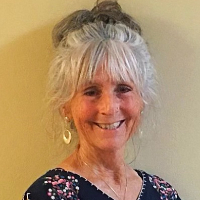
New Mexico · 20 yrs exp
Thoughts and habits focused counselor
Stress, Anxiety · Addictions · Trauma and abuse · Self esteem · +14 more
Read profile
New Mexico · 20 yrs exp
Experienced social worker helping change thoughts and habits
LGBT · Trauma and abuse · Self esteem · Stress, Anxiety · +10 more
Read profile
New Mexico · 16 yrs exp
Calm, practical therapy for daily challenges
Stress, Anxiety · Addictions · Trauma and abuse · Bipolar · +13 more
Read profile
New Mexico · 25 yrs exp
Mindful ideas for clearer daily thinking
Stress, Anxiety · Trauma and abuse · Self esteem · Bipolar · +1 more
Read profile
New Mexico · 10 yrs exp
Compassionate guidance for changing thoughts and habits
Stress, Anxiety · Trauma and abuse · Intimacy-related issues · Self esteem · +11 more
Read profile
New Mexico · 7 yrs exp
Compassionate, thought-focused care for everyday life
Stress, Anxiety · Trauma and abuse · Career · Depression · +11 more
Read profile
New Mexico · 6 yrs exp
Therapist focused on thoughts and habits
Stress, Anxiety · LGBT · Relationship · Bipolar · +1 more
Read profile
New Mexico · 30 yrs exp
Experienced clinician focused on thoughts and habits
Relationship · Trauma and abuse · Career · Depression · +9 more
Read profile
New Mexico · 20 yrs exp
Effective, steady support for daily challenges
Stress, Anxiety · Family · Trauma and abuse · Depression · +1 more
Read profile
New Mexico · 25 yrs exp
Thought-focused LCSW guiding practical change
Stress, Anxiety · Trauma and abuse · Anger · Depression · +16 more
Read profile
New Mexico · 30 yrs exp
Compassionate, experienced support for daily struggles
Stress, Anxiety · Relationship · Trauma and abuse · Depression · +1 more
Read profile
New Mexico · 4 yrs exp
Practical therapy for thoughts and habits
Stress, Anxiety · Addictions · LGBT · Trauma and abuse · +1 more
Read profile
New Mexico · 3 yrs exp
Letting useful habits replace harmful ones
Stress, Anxiety · Addictions · Self esteem · Depression · +1 more
Read profileOnline therapy has become a widely used option across New Mexico, offering more ways for you to connect with a licensed mental health professional without needing to travel long distances. Services are offered by clinicians who are licensed to practice in the state, and many list a range of approaches and populations they work with. Telehealth rules and the ability to practice across state lines can vary, so most people work with therapists who are licensed in New Mexico for sessions delivered to addresses in the state. Technology now supports video and phone sessions as well as messaging in many cases, making it possible to find a format that fits your schedule and comfort level.
Rural communities and smaller towns in New Mexico can benefit particularly from online options, because digital sessions reduce travel time and broaden the pool of clinicians you can access. At the same time, telehealth continues to evolve through regulatory updates and professional guidance, so the landscape shifts over time. When you explore therapist profiles, you can get a sense of the modalities they list, the populations they mention, and the languages they speak, which helps you narrow down providers who are likely to match your priorities for care.
One practical advantage you may notice is convenience. Online therapy removes the need for commuting across long stretches of the state and can save you time when balancing work, family, or school. If you live in a community where local options are limited, online sessions let you connect with clinicians who have experience with the issues you want to address. You can participate from your home or from another comfortable environment, making it easier to make therapy a consistent part of your routine.
Online formats also expand language access and therapist specialization. You may find therapists who list Spanish or other languages among their offerings, or clinicians who work regularly with certain age groups, cultural backgrounds, or life challenges. For many people, the flexibility to choose session times and the ability to continue care during travel or relocation are decisive benefits. Technology can also support continuity when life circumstances change, while allowing you to focus on the therapeutic relationship rather than logistical barriers.
You can turn to online therapy for a broad range of concerns commonly addressed in in-person care. Many therapists indicate they work with anxiety, depression, stress related to work or school, grief, relationship challenges, and life transitions. You will also find clinicians who list approaches used with trauma-related concerns, as well as those who note work with family dynamics, parenting, or issues related to identity and cultural stress. When browsing profiles, pay attention to how therapists describe their focus areas and the populations they mention, so you can find someone whose experience aligns with what you want to address.
Therapists often list specific approaches such as cognitive-behavioral methods, mindfulness-based work, or interpersonal strategies. If you are curious about modalities like EMDR, expressive therapies, or somatic approaches, look for wording that indicates a therapist lists those approaches among their offerings. That phrasing reflects what a clinician includes on their profile, and it can be a starting point for questions you may ask during an initial conversation. Remember that the therapeutic relationship and a therapist's experience with your particular concern are as important as the label of any single approach.
Verifying a therapist's license is an important step you can take before starting online sessions. Start by asking the clinician for their full name and license number as listed on their profile. With that information, you can search the New Mexico Regulation and Licensing Department or the state professional licensing board that oversees mental health professions to confirm the license type and current status. Online license lookup tools typically show whether a license is active, the license class, and any disciplinary actions that may be recorded.
When you review a license record, check that the license type matches the credentials the therapist lists on their profile, such as counselor, social worker, psychologist, or marriage and family therapist titles. If you have questions about what a particular license level means for scope of practice, the licensing board's website often includes explanations or contact options. It is also reasonable to ask the therapist directly about their licensure history, their years of practice, and the populations they work with. If you need further confirmation, you can contact the licensing board by phone or email to request guidance on interpreting public records.
Beginning online therapy requires a mix of practical preparation and thoughtful selection. On the practical side, make sure you have a reliable internet connection, a device with a camera and microphone if you choose video sessions, and a comfortable environment where you can speak freely. Think about the times of day that work best for you and whether you prefer video, phone, or messaging formats. Before the first session, consider any logistical questions you want to cover such as fees, insurance billing, session length, cancellation policies, and whether the therapist works with your age group or specific concerns.
When choosing a therapist, pay attention to how they describe their focus areas, the populations they mention, and the approaches they list. Those elements can help you assess fit, but it is also important to consider language, cultural sensitivity, and the therapist's experience with issues similar to yours. You may want to schedule an initial consultation to get a sense of the therapist's communication style and to ask questions about what a typical session looks like. Trust your impressions when you notice whether you feel heard and respected. If a therapist lists specialties you are interested in, such as trauma-related work or family therapy, you can ask how they typically approach those topics in online sessions.
Finally, plan for safety and crisis procedures. Ask the therapist about steps to take if you experience a crisis during or between sessions and confirm how they handle emergency situations when you are in New Mexico. If you are ever in immediate danger or experiencing an urgent mental health crisis, call 911 or use national resources such as 988 for suicidal crisis and emotional support. Taking these practical precautions before you begin therapy helps you feel more prepared and supported as you start the work.
As you explore listings in New Mexico, look for profiles that clearly describe the therapist's areas of focus, approaches they list, languages offered, and where they are licensed to practice. Use the information you gather to reach out with specific questions about how they work and whether their style aligns with what you want from therapy. With some upfront research and a short conversation, you can find a clinician who fits your needs and start building a productive therapeutic relationship from the comfort of your chosen environment.
Addictions
3412 therapists
ADHD
3185 therapists
Anger
3872 therapists
Control Issues
3892 therapists
Depression
5195 therapists
Eating Disorders
2090 therapists
Gambling
2129 therapists
Grief
4258 therapists
Guilt and Shame
4738 therapists
Hoarding
2237 therapists
Impulsivity
3498 therapists
Isolation / Loneliness
4572 therapists
Mood Disorders
4051 therapists
OCD
4986 therapists
Panic Disorder and Panic Attacks
4261 therapists
Phobias
2734 therapists
Post-Traumatic Stress
4376 therapists
Seasonal Affective Disorder (SAD)
3148 therapists
Self Esteem
4909 therapists
Sleeping Disorders
2182 therapists
Smoking
1167 therapists
Social Anxiety and Phobia
4831 therapists
Stress & Anxiety
5489 therapists
Trauma and Abuse
4750 therapists
Trichotillomania
776 therapists
Body Image
3126 therapists
Career
3285 therapists
Caregiver Issues and Stress
3502 therapists
Communication Problems
4674 therapists
Coping with Life Changes
4575 therapists
Family
4161 therapists
Forgiveness
4277 therapists
Life Purpose
4498 therapists
Parenting
3555 therapists
Relationship
4692 therapists
Self-Love
4471 therapists
Workplace Issues
3867 therapists