
Kelley Sullivan
LCSWColorado · 19 yrs exp
Practical, thoughtful care for daily struggles
Stress, Anxiety · Relationship · Trauma and abuse · Grief · +12 more
Read profileTherapist listings are provided by BetterHelp. We will earn a commission at no extra cost to you if you use our links to buy.
Welcome to CalmerThoughts.org's directory of online therapists serving Colorado. All listed therapists are licensed in Colorado - explore profiles to review approaches, languages, and experience and find a match for your needs.
Colorado · 19 yrs exp
Practical, thoughtful care for daily struggles
Stress, Anxiety · Relationship · Trauma and abuse · Grief · +12 more
Read profile
Colorado · 11 yrs exp
Thoughtful counselor for everyday habits
Stress, Anxiety · LGBT · Trauma and abuse · Anger · +15 more
Read profile
Colorado · 15 yrs exp
Compassionate, practical therapy for everyday habits
Stress, Anxiety · Grief · Depression · Coping with life changes · +10 more
Read profile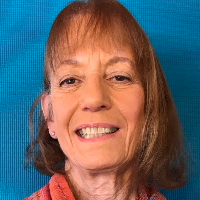
Colorado · 15 yrs exp
Calm, practical support for shifting thought and habits
Stress, Anxiety · Addictions · Trauma and abuse · Anger · +6 more
Read profile
Colorado · 9 yrs exp
Supportive LCSW helping change everyday habits
Stress, Anxiety · Addictions · Relationship · Family · +14 more
Read profile
Colorado · 8 yrs exp
Compassionate support for everyday challenges
Stress, Anxiety · Relationship · Trauma and abuse · Grief · +16 more
Read profile
Colorado · 7 yrs exp
Calm, practical help for everyday thoughts
Stress, Anxiety · Relationship · Family · Anger · +4 more
Read profile
Colorado · 26 yrs exp
Restore clarity and healthier habits
Stress, Anxiety · Addictions · Relationship · Intimacy-related issues · +1 more
Read profile
Colorado · 7 yrs exp
Practical support for stress and relationship strain
Stress, Anxiety · Trauma and abuse · Grief · Self esteem · +3 more
Read profile
Colorado · 10 yrs exp
Calm, practical therapy focused on daily habits
Stress, Anxiety · Trauma and abuse · Self esteem · Depression · +16 more
Read profile
Colorado · 30 yrs exp
Experienced clinician supporting grief and everyday habits
Stress, Anxiety · Trauma and abuse · Grief · Self esteem · +1 more
Read profile
Colorado · 3 yrs exp
Calm, practical support for everyday struggles
Stress, Anxiety · Trauma and abuse · Self esteem · Depression · +1 more
Read profile
Colorado · 4 yrs exp
Practical support for anxious and overwhelmed people
Stress, Anxiety · Trauma and abuse · Self esteem · Bipolar · +1 more
Read profile
Colorado · 13 yrs exp
Calm, practical support for everyday struggles
Stress, Anxiety · Trauma and abuse · Self esteem · Bipolar · +1 more
Read profile
Colorado · 9 yrs exp
Calm, practical counseling for daily life
Stress, Anxiety · Relationship · Intimacy-related issues · Anger · +1 more
Read profile
Colorado · 9 yrs exp
Experienced clinician focused on everyday habits
Stress, Anxiety · Trauma and abuse · Bipolar · Depression · +1 more
Read profile
Colorado · 10 yrs exp
Thoughtful help for daily thoughts and habits
Stress, Anxiety · Trauma and abuse · Self esteem · Depression · +1 more
Read profile
Colorado · 14 yrs exp
Compassionate counselor focused on thoughts and habits
Stress, Anxiety · Addictions · Relationship · Trauma and abuse · +8 more
Read profile
Colorado · 15 yrs exp
Focused, direct counseling for life challenges
Stress, Anxiety · Relationship · Intimacy-related issues · Self esteem · +10 more
Read profile
Colorado · 20 yrs exp
Calm, practical counseling focused on change
Stress, Anxiety · Addictions · Self esteem · Depression · +15 more
Read profile
Colorado · 15 yrs exp
Thoughtful counselor helping everyday habits
Stress, Anxiety · Family · Trauma and abuse · Parenting · +11 more
Read profile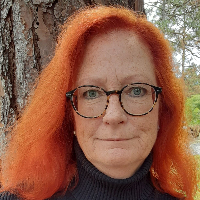
Colorado · 29 yrs exp
Calm, practical guidance for everyday challenges
Stress, Anxiety · Family · Trauma and abuse · Grief · +15 more
Read profile
Colorado · 13 yrs exp
Calm, practical support for daily challenges
Stress, Anxiety · Addictions · LGBT · Trauma and abuse · +13 more
Read profile
Colorado · 15 yrs exp
Compassionate counselor focusing on everyday thoughts and habits
Stress, Anxiety · Trauma and abuse · Parenting · Self esteem · +12 more
Read profileIf you live in Colorado and are considering online therapy, you will find a wide variety of clinicians offering remote care in video, phone, and message formats. Online therapy in the state has grown steadily since the early 2020s, and many practitioners now include virtual services as part of their practice. Because licensing rules govern where a clinician may offer care, the therapists featured here are listed as licensed to serve people in Colorado. When you review profiles, you will notice differences in how sessions are conducted, whether therapists list evening or weekend hours, and which approaches they emphasize. The directory aims to help you navigate those variations so you can identify clinicians whose background and methods align with what matters most to you.
When you opt for online therapy, convenience is a common appeal. You can attend sessions from your home, a parked car between errands, or from a workplace break room, which removes the time and travel required for in-person visits. For people in rural or mountain communities, this approach can expand the options available beyond local offices. Online formats also make it easier to continue care during life transitions such as moving within the state, temporary work travel, or caregiving responsibilities that make leaving the house difficult. You may find that virtual sessions fit more neatly into a busy schedule while still allowing for an in-depth therapeutic relationship.
Another important benefit relates to matching on specific needs. Online therapy lets you search across geographic areas of Colorado to find a therapist who shares your language, cultural background, or experience with certain life situations. For some people, talking with a clinician who understands rural living, mountain culture, or particular identity issues can make sessions feel more relevant. Keep in mind that the quality of the connection also depends on technology - a stable internet connection and a quiet room can help conversations flow.
Online therapists in Colorado commonly work with a broad range of concerns that many people seek help for. You can look for clinicians who focus on anxiety and stress management, mood concerns such as depression, and relationship difficulties including couples work. Life transitions like career changes, relocation, parenting adjustments, and coping with grief are frequent topics. Therapists also often list experience working with trauma-related stress, though you should note that profiles describe approaches rather than verify any particular training in a method. If you are seeking support for substance use, workplace burnout, or chronic health-related stress, some therapists note those areas among their focuses.
Therapists may describe the kinds of clients they often work with, including teens, young adults, parents, perinatal people, older adults, and members of LGBTQ+ communities. You can use those profile descriptors to find clinicians who emphasize culturally responsive care or who list experience with particular identity-based challenges. When a clinician lists a therapeutic approach - for example, cognitive-behavioral therapy, acceptance-based methods, psychodynamic approaches, or therapists who list EMDR among their approaches - remember that the listing indicates what they use in practice, not a certification status. The goal is to help you identify practitioners whose work aligns with the way you prefer to explore change.
Verifying a clinician’s license in Colorado is an important step when you are exploring online therapy options. Colorado’s Department of Regulatory Agencies maintains public license lookup tools for counselors, social workers, marriage and family therapists, psychologists, and other mental health professions. When you use the state lookup, search by the therapist’s full name and review the license type, the license status, expiration date, and any disciplinary actions listed by the board. These public records will indicate whether a license is active in Colorado and what professional designation the clinician holds.
When you examine a profile, also note the listed degree or credential such as LCSW, LPC, LMFT, PsyD, or PhD. Those abbreviations describe common professional credentials and degrees but do not speak to the fit between you and a therapist. If the license lookup reveals any questions or you want clarification about what a specific credential means for practice, you can contact the appropriate Colorado licensing board for more information. Keeping a record of the license number and the name exactly as listed can make search results easier to interpret.
Getting started with online therapy begins with thinking about what you want from the work. You might prioritize a therapist who lists experience with anxiety, relationships, trauma-informed care, or support for identity-related concerns. You may also have preferences about session format, such as video, phone, or messaging. Consider practical factors as well - whether you need someone who works with your insurance, offers a sliding-scale fee, or lists experience with certain age groups. Once you know what matters most, use the directory filters to find profiles that align with those priorities and read each profile description to learn how a clinician frames their approach.
When you review a therapist’s profile, look for clear information about the types of issues they focus on and the ways they describe their approach to therapy. You can also pay attention to languages spoken and any notes about cultural perspectives or life experiences they highlight. If these details match your needs, the next step is to reach out for an initial conversation or intake process as described in the profile. During that contact you can ask about session length and fees, how the therapist structures work, and what to expect in the first few sessions. While profiles provide a helpful starting point, the best indicator of fit is how you feel during an initial conversation and whether the clinician’s style resonates with you.
For your first virtual session, choose a quiet, comfortable environment where you are unlikely to be interrupted. Use headphones if you prefer more sound isolation and test your camera and microphone in advance to avoid technical distractions. Have a backup plan for connectivity issues, such as using a phone for audio if video becomes unreliable. If you use insurance, keep your insurance card handy and confirm any referral or authorization requirements before the appointment. Consider noting a few goals or topics you want to address so you can use the initial session to orient the clinician to what matters most to you.
Finding the right therapist can be an iterative process. After a few sessions you may feel confident in the match, or you may realize you want someone with a different focus or style. That is a normal part of seeking care. Use your experience to refine what you look for in profiles and to narrow in on approaches, cultural or identity fit, and communication preferences that help the work move forward. The directory is designed to make that exploration easier by presenting searchable information about approaches, credentials, languages, and the kinds of issues therapists list as their focus.
As you explore online therapy options in Colorado, keep in mind that state licensing is central to who may legally provide services to you while you are located in Colorado. Reviewing license records and reading therapist profiles will help you find clinicians who describe approaches and experience that appeal to you. Think about logistical factors like session format, technology needs, and payment options, and prepare a quiet, comfortable environment for sessions. Above all, prioritize a good interpersonal fit - the relationship you build with a therapist often has more impact on progress than any single technique. Use the directory to compare profiles, learn more about approaches, and begin conversations with clinicians whose work feels aligned with your goals.
Addictions
3412 therapists
ADHD
3185 therapists
Anger
3872 therapists
Control Issues
3892 therapists
Depression
5195 therapists
Eating Disorders
2090 therapists
Gambling
2129 therapists
Grief
4258 therapists
Guilt and Shame
4738 therapists
Hoarding
2237 therapists
Impulsivity
3498 therapists
Isolation / Loneliness
4572 therapists
Mood Disorders
4051 therapists
OCD
4986 therapists
Panic Disorder and Panic Attacks
4261 therapists
Phobias
2734 therapists
Post-Traumatic Stress
4376 therapists
Seasonal Affective Disorder (SAD)
3148 therapists
Self Esteem
4909 therapists
Sleeping Disorders
2182 therapists
Smoking
1167 therapists
Social Anxiety and Phobia
4831 therapists
Stress & Anxiety
5489 therapists
Trauma and Abuse
4750 therapists
Trichotillomania
776 therapists
Body Image
3126 therapists
Career
3285 therapists
Caregiver Issues and Stress
3502 therapists
Communication Problems
4674 therapists
Coping with Life Changes
4575 therapists
Family
4161 therapists
Forgiveness
4277 therapists
Life Purpose
4498 therapists
Parenting
3555 therapists
Relationship
4692 therapists
Self-Love
4471 therapists
Workplace Issues
3867 therapists