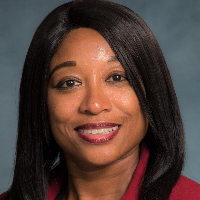
Dr. Vivia Hill-Silcott
LPCGeorgia · 8 yrs exp
Therapist focused on thoughts and habits
Stress, Anxiety · Relationship · Family · Grief · +11 more
Read profileTherapist listings are provided by BetterHelp. We will earn a commission at no extra cost to you if you use our links to buy.
Welcome to the Georgia online therapy directory. All therapists listed here hold a current Georgia license. Explore profiles to compare approaches, credentials, languages, and areas of focus.
Georgia · 8 yrs exp
Therapist focused on thoughts and habits
Stress, Anxiety · Relationship · Family · Grief · +11 more
Read profile
Georgia · 20 yrs exp
Practical support for thoughts and everyday habits
Stress, Anxiety · Addictions · Family · Anger · +13 more
Read profile
Georgia · 18 yrs exp
Thoughts and habits focused counseling
Stress, Anxiety · Relationship · Family · Trauma and abuse · +10 more
Read profile
Georgia · 25 yrs exp
Compassionate clinician focused on everyday thinking
Stress, Anxiety · Parenting · Anger · Self esteem · +15 more
Read profile
Georgia · 3 yrs exp
Thought-focused counseling with practical steps
Stress, Anxiety · Relationship · Family · Intimacy-related issues · +6 more
Read profile
Georgia · 10 yrs exp
Positive change through clear thinking and habits
Stress, Anxiety · Family · Trauma and abuse · Depression · +11 more
Read profile
Georgia · 9 yrs exp
Practical, respectful therapy for everyday struggles
Stress, Anxiety · Anger · Self esteem · Bipolar · +11 more
Read profile
Georgia · 25 yrs exp
Calm support for life's difficult transitions
Stress, Anxiety · Trauma and abuse · Grief · Self esteem · +13 more
Read profile
Georgia · 30 yrs exp
Thoughts and habits focused therapist
Relationship · Intimacy-related issues · Self esteem · Career · +9 more
Read profile
Georgia · 20 yrs exp
Calm, practical therapy for stress and relationships
Stress, Anxiety · Relationship · Career · Depression · +13 more
Read profile
Georgia · 18 yrs exp
Compassionate counselor focused on thoughts and habits
Stress, Anxiety · Addictions · Relationship · Family · +15 more
Read profile
Georgia · 8 yrs exp
Gentle, practical help for everyday habits
Stress, Anxiety · Addictions · Trauma and abuse · Grief · +4 more
Read profile
Georgia · 5 yrs exp
Helping people change thoughts and habits
Stress, Anxiety · Addictions · Relationship · Grief · +1 more
Read profile
Georgia · 11 yrs exp
Compassionate counselor for everyday change
Stress, Anxiety · Relationship · Trauma and abuse · Anger · +10 more
Read profile
Georgia · 10 yrs exp
Practical therapy for daily thoughts and habits
Stress, Anxiety · Relationship · Grief · Depression · +10 more
Read profile
Georgia · 5 yrs exp
Thoughts and habits focused care
Stress, Anxiety · Relationship · Family · Parenting · +12 more
Read profile
Georgia · 18 yrs exp
Thoughts and everyday habits focus
Stress, Anxiety · Addictions · Trauma and abuse · Anger · +13 more
Read profile
Georgia · 21 yrs exp
Thoughts and everyday habits focused therapist
Stress, Anxiety · Trauma and abuse · Grief · Parenting · +16 more
Read profile
Georgia · 20 yrs exp
Practical, goal-focused counseling with steady encouragement
Stress, Anxiety · Addictions · Anger · Bipolar · +10 more
Read profile
Georgia · 22 yrs exp
Practical therapy for thoughts and habits
Stress, Anxiety · Addictions · Trauma and abuse · Parenting · +11 more
Read profile
Georgia · 8 yrs exp
Warm counselor focused on thoughts and habits
Stress, Anxiety · Relationship · Eating · Self esteem · +15 more
Read profile
Georgia · 36 yrs exp
Experienced counselor focusing on thoughts and habits
Stress, Anxiety · Family · Trauma and abuse · Self esteem · +13 more
Read profile
Georgia · 25 yrs exp
Compassionate counselor focused on practical change
Stress, Anxiety · Relationship · Grief · Intimacy-related issues · +11 more
Read profile
Georgia · 30 yrs exp
Practical, direct help for everyday struggles
Stress, Anxiety · Relationship · Grief · Depression · +10 more
Read profileIn recent years online therapy has become a common way to connect with mental health professionals across the state of Georgia. Lawmakers and licensing boards have established rules that allow licensed clinicians to offer services through video, phone, and messaging while they follow state practice standards. If you live in Georgia, you should expect that a clinician offering online services will be licensed in Georgia, since most boards require licensure where the client is located during a session. That regulatory framework means you can access a wide variety of professionals who work remotely from different parts of the state while maintaining the oversight required by Georgia licensing authorities.
Because licensure is state-based, the therapist’s license typically determines whether they can provide services to someone living in Georgia. That creates a landscape where many clinicians have adapted their scheduling and tools to serve Georgia residents remotely, and where listings make clear which state licenses a professional holds. For you, that means when you look through profiles you will see information about credentials, therapeutic approaches, and areas of focus, allowing you to identify clinicians who match the kinds of support you are seeking.
Online therapy can remove several practical barriers that sometimes make in-person sessions difficult. If you live in a rural county or an area with fewer nearby clinics, virtual appointments allow you to reach clinicians who specialize in the issues you are facing without a long drive. Remote sessions can also be easier to fit into a busy schedule - you do not need to allow extra travel time and you can often choose a setting that feels more convenient for you. Many people find that being able to meet with a clinician from home or another comfortable environment improves the likelihood of maintaining regular appointments.
Online therapy also supports continuity of care if you move within Georgia or need to travel temporarily for work or family reasons. Because sessions can be held from different locations within the state, you can maintain a relationship with a clinician whose approach and communication style you value. In addition, clinicians who list services in multiple languages or who highlight experience with certain cultural communities can increase accessibility for Georgians from diverse backgrounds. When you evaluate profiles, pay attention to language options, stated areas of focus, and the kinds of therapy approaches clinicians list so you can find someone whose background aligns with your needs.
Online therapists in Georgia work with a broad range of concerns, from everyday stress and relationship challenges to longer-standing mood and anxiety patterns. You will find clinicians who describe experience helping with life transitions such as changing careers, relationship shifts, parenting adjustments, and grief. Many also list areas like anxiety management, depression, trauma recovery, stress related to work or school, and coping with chronic health issues. Because clinicians use different theoretical frameworks, you can look for those who list approaches that resonate with you - for example, some therapists list cognitive behavioral therapy among their approaches, while others list mindfulness-based strategies or psychodynamic perspectives.
Some clinicians highlight work with particular populations such as teens, older adults, couples, or caregivers. Others focus on issues tied to identity, including race, sexual orientation, and gender. If you have a specific need, search for clinicians who describe that focus in their profiles. Remember that a listed approach does not guarantee any particular outcome, but it can help you narrow down profiles to those who emphasize the kinds of support that matter most to you.
If you want to confirm a therapist's licensure status in Georgia, you can use public license lookup tools maintained by state regulatory boards. First, note the professional title shown on the profile - psychologists, professional counselors, social workers, and marriage and family therapists are each licensed through specific Georgia boards. Searching by the clinician’s full name or license number on the appropriate board’s verification page will show whether the license is active and if there are any disciplinary records. These lookup tools typically list the license type, issue and expiration dates, and status, which gives you reliable, state-sourced confirmation beyond the information in a profile.
When you review a licensing record, pay attention to the exact license category and the expiration date. If a profile lists degrees or graduate programs, you can also cross-check those details with the educational institutions named by the clinician. If you encounter any disciplinary history or restrictions on practice, the board’s documentation will often provide basic details. Verifying licensure is an important step that helps you make an informed choice about who you might want to contact for an initial conversation.
Starting with an online therapist involves both practical preparation and clear communication about expectations. Begin by reviewing clinician profiles for stated approaches, languages, and areas of focus that match your needs. Many clinicians include information about session length, fee structure, and whether they list insurance in their profile notes. You can then reach out through the contact method provided in the listing to ask about intake procedures and what initial paperwork is required. Typical steps include completing intake forms, discussing goals for therapy, and clarifying how sessions will be conducted technically - whether via video, phone, or text-based messaging platforms.
Before your first appointment, check your internet connection and choose a quiet, comfortable environment where you will not be interrupted. Have a list of questions ready about the clinician’s approach to goals and progress, what to do in an emergency, and how cancellations and rescheduling are handled. It is also helpful to think about what you would like to achieve in therapy so you can communicate priorities during the intake conversation. Clear communication up front helps you and the clinician determine whether their stated approaches and areas of focus fit your needs.
Choosing a therapist is a personal decision that depends on how well a clinician’s style aligns with what you want from therapy. Look for clinicians who highlight the issues you want to work on and who describe approaches that make sense to you. Pay attention to credentials and licensure information, and to any languages spoken if that is important for your comfort. Consider whether you prefer a clinician who emphasizes skills-based strategies, longer-term exploration, or a blend of methods, and seek profiles that mention those orientations. You may also want to reflect on practical factors such as session length, fees, and whether the clinician lists options for virtual-only or blended in-person and online work.
After you identify a few clinicians who seem like a good match, reach out for an initial conversation to introduce yourself and ask a few questions about approach and expectations. That short exchange can give you a sense of communication style and whether you feel comfortable discussing personal matters with that person. If the clinician lists specialties or languages that reflect your identity or lived experience, that can contribute to feeling understood. Ultimately, the best fit is the one where you feel heard, understood, and able to work toward your goals. Take your time, ask questions, and rely on the licensure verification steps described above when you want additional reassurance about professional standing.
Navigating online therapy in Georgia involves a mix of practical checking and personal reflection. Use listings to compare credentials, approaches, languages, and areas of focus, verify licensure through state resources, and prepare thoughtfully for initial conversations. With careful selection you can find a clinician whose profile aligns with your needs and who can support you as you work toward your goals.
Addictions
3412 therapists
ADHD
3185 therapists
Anger
3872 therapists
Control Issues
3892 therapists
Depression
5195 therapists
Eating Disorders
2090 therapists
Gambling
2129 therapists
Grief
4258 therapists
Guilt and Shame
4738 therapists
Hoarding
2237 therapists
Impulsivity
3498 therapists
Isolation / Loneliness
4572 therapists
Mood Disorders
4051 therapists
OCD
4986 therapists
Panic Disorder and Panic Attacks
4261 therapists
Phobias
2734 therapists
Post-Traumatic Stress
4376 therapists
Seasonal Affective Disorder (SAD)
3148 therapists
Self Esteem
4909 therapists
Sleeping Disorders
2182 therapists
Smoking
1167 therapists
Social Anxiety and Phobia
4831 therapists
Stress & Anxiety
5489 therapists
Trauma and Abuse
4750 therapists
Trichotillomania
776 therapists
Body Image
3126 therapists
Career
3285 therapists
Caregiver Issues and Stress
3502 therapists
Communication Problems
4674 therapists
Coping with Life Changes
4575 therapists
Family
4161 therapists
Forgiveness
4277 therapists
Life Purpose
4498 therapists
Parenting
3555 therapists
Relationship
4692 therapists
Self-Love
4471 therapists
Workplace Issues
3867 therapists